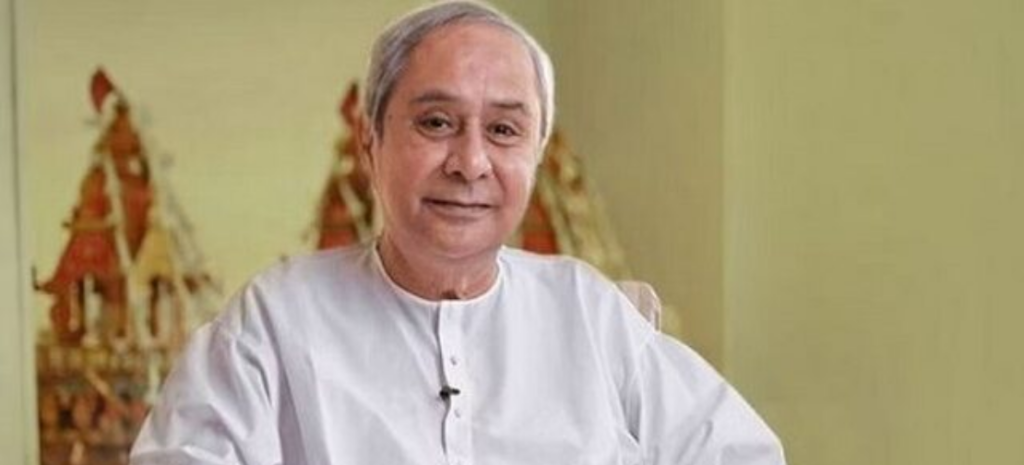
Naveen Patnaik, 51, left his high-society life in Lutyens’ Delhi to return to Bhubaneswar and enter electoral politics in 1997 after the death of his father, Biju Patnaik. He began building the Biju Janata Dal (BJD) and sought to gain momentum against the Congress government in January 1999 following two significant incidents: the gang rape of a 29-year-old woman near the state capital and the murder of Australian missionary Graham Staines and his two minor sons in Keonjhar district. Patnaik framed the narrative around increasing crime and public insecurity, which, along with the organizational strength from the former Janata Party, helped him unseat Congress in the 2000 Assembly elections. Patnaik and the BJD governed Odisha for 24 years until the BJP, a former junior ally, defeated them in 2024.
Currently, Patnaik’s political journey has come full circle as he revives his previous focus on “deteriorating” law and order to challenge the BJP. He has begun addressing the rise of mob justice and vigilantism, labeling the BJP’s governance in Odisha as “goonda raj (rule of the hooligans)” during a strong critique on May 19.
Recent violent incidents, including the beating death of a 32-year-old police constable by a mob in Balianta and an assault on a young couple in Berhampur, have intensified his rhetoric. Following these events, Patnaik expressed his concerns on X, stating that the BJP government appears to have surrendered Odisha to criminals, highlighting the fear and brutality experienced by the populace.
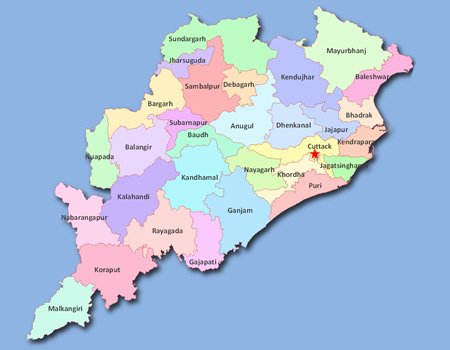
Despite police arrests in both incidents, the BJD has pointed out a troubling trend of violence across the state. For instance, on May 11, a young man was murdered, and his hand was severed by suspected members of a stone quarry mafia in Nayagarh district. Additionally, 26 individuals were arrested in Cuttack after a man was killed over witchcraft suspicions.
On May 25, Patnaik criticized the government again following another daylight attack in Berhampur, asserting that the atmosphere of fear and the prevalence of crime expose the failures of governance. His focus on public safety resonates with citizens, as his government previously had a reputation for maintaining law and order.
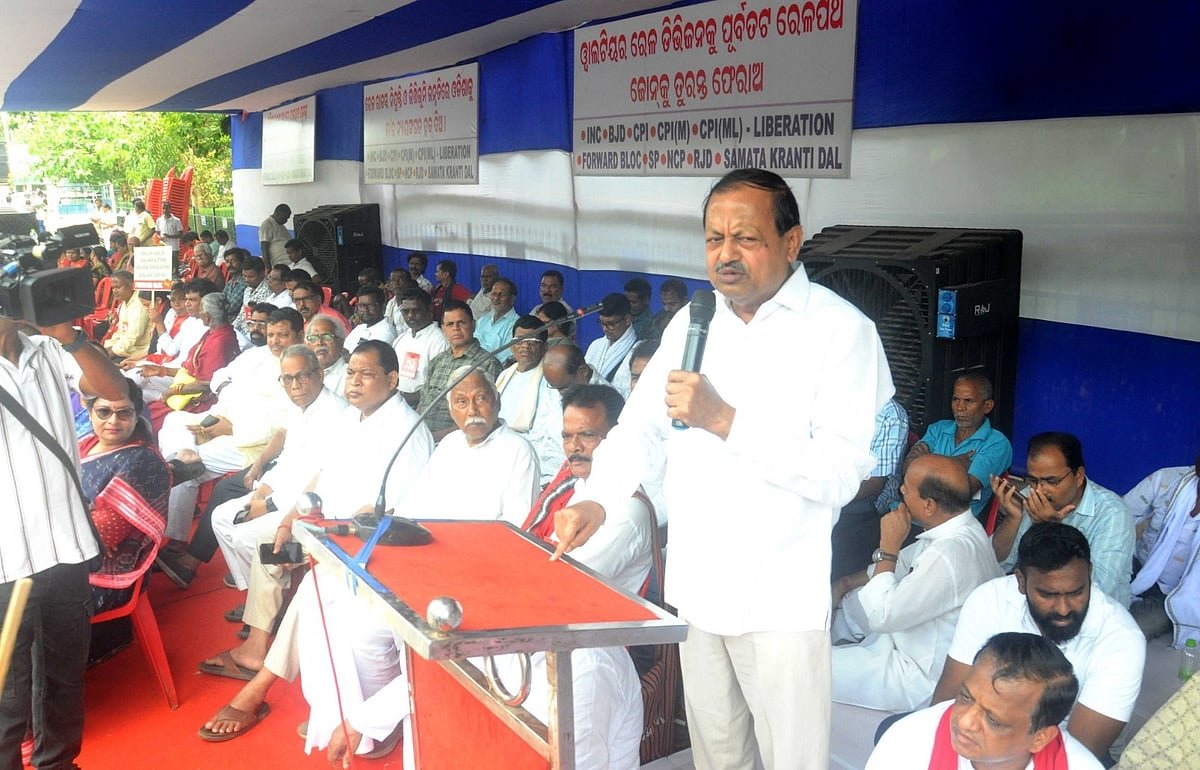
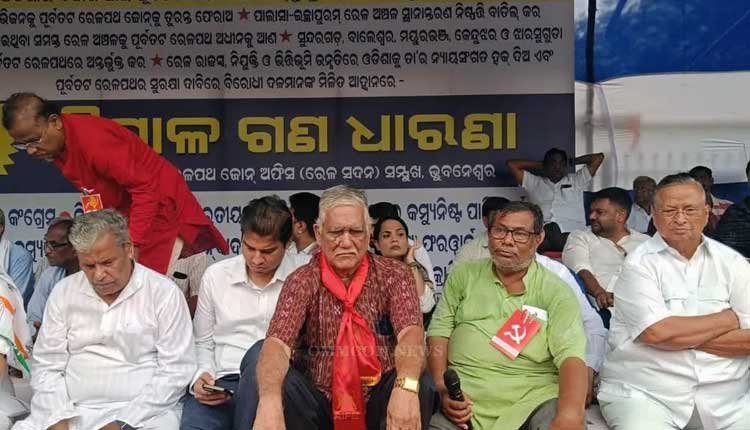
According to the National Crime Records Bureau (NCRB), Odisha recorded the highest rate of violent crimes in the country in 2024, with 161.6 victims per lakh population for serious offenses. Although the overall crime rate saw a slight decrease, the BJD’s campaign on law and order has gained traction, leading to protests outside the DGP’s office in Cuttack and threats of statewide agitation.
BJD leaders argue that the perception of rising crime is due to the BJP’s interference with police operations, which has demoralized law enforcement. They cite instances of BJP leaders allegedly encouraging criminal behavior without facing consequences.
The BJP, aware of the BJD’s strategic shift, recalls its historical alliance with Patnaik, which aided in unseating Congress. However, the current BJP is more aggressive and has made significant inroads in Odisha, posing a challenge to the BJD’s revival efforts.
Patnaik’s political journey began after his father’s death in 1997, with encouragement from the then BJP leadership to fill the leadership gap. The BJD’s initial coalition with the BJP in 2000 helped consolidate power, but tensions arose after the 2008 Kandhamal riots, leading to a severed alliance. Although relations thawed under Narendra Modi’s leadership since 2014, the BJD now faces a formidable opponent in the BJP as it seeks to regain its footing in Odisha politics.