Bhubaneswar: In the remote areas of Odisha, evenings arrive swiftly. As daylight diminishes, activities slow down, not by choice but necessity. Children are forced to put away their books earlier than desired, while women hurry to finish household chores. Roads become long, unlit paths that are challenging and often unsafe to traverse.
Electricity is available, but not consistently. Power supply is erratic, with frequent outages, and access varies across dispersed settlements. What may appear as coverage on paper often results in uncertainty in reality.
While electricity influences the evening, water dictates the day.
Many households face ongoing challenges in accessing drinking water. During peak summer months, sources frequently dry up, forcing families to fetch water from distant locations. The need for multiple trips and unpredictable supply continues to shape daily life.
This burden predominantly falls on women, as collecting water is not a one-time task but a repetitive chore that is physically taxing, time-consuming, and often restricts other daily activities. This is where the intersection of energy and water becomes crucial.
When Power Becomes Access
In regions where electricity is unreliable, even basic systems falter. Water infrastructure relies on power; during outages, pumps fail, leading to erratic supply. Existing systems do not always function as needed.
This highlights the necessity for decentralized solutions in such areas.
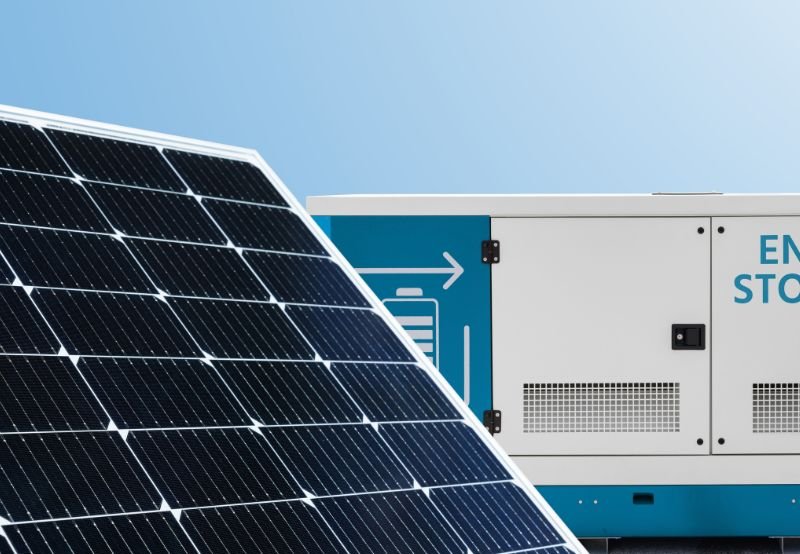
In this context, solar energy offers reliability. It operates where the grid fails and delivers power where it is most needed.
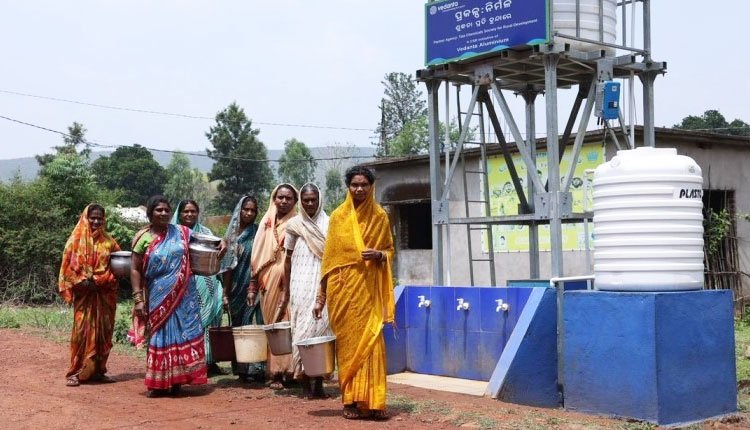
Across Kalahandi, Rayagada, Sundergarh, Jharsuguda, and Koraput, Vedanta Aluminium has introduced decentralized solar solutions, installing over 700 solar-powered streetlights and more than 25 solar-powered borewells, benefiting over 20,000 individuals by enhancing access to reliable lighting and safe drinking water in remote communities.
These initiatives represent a broader shift in the company’s sustainability approach, integrating clean energy within its operations and extending these principles to local communities. In areas where traditional infrastructure struggles, this ensures that solutions are not only available but also dependable.
These systems are not large-scale; they are local, visible fixes that illuminate streets and public spaces, ensuring water access without reliance on unstable power supplies.
Gunasingh Majhi, Sarpanch of Sunger Gram Panchayat, Rayagada district, stated, “For years, our villages struggled with safe drinking water and basic lighting. Women had to walk long distances, and after sunset, movement became unsafe. Today, with solar borewells and streetlights, daily life has changed. Water is available closer to our homes, and the streets remain lit at night. It has improved safety and brought real relief to our community.”
Lighting and Water Access Transform Daily Life
While lighting enhances movement, access to water transforms living conditions. In villages where supply is uncertain, daily life revolves around water collection, with early mornings and repeated trips causing physical strain. This labor, often overlooked, defines the day, particularly for women. Solar-powered borewells alter this dynamic at the source. By eliminating dependence on unreliable electricity, they guarantee consistent access to safe drinking water within the village itself—no longer a distant well or seasonal source, but water available when needed.
For women, this change is immediate and profoundly personal.
Pushpanjali Nath from Siriapali Village shared, “We used to walk far to get water, sometimes several times a day. It would take hours. Now the water is here. That effort is gone, and we can use that time for other work.”
Beyond time and distance, certainty is crucial, especially for children.
Another resident added, “Earlier, we were never sure if the water we brought was clean, and our children used to fall sick frequently. Now, with water available here, it feels safer for them. That tension has reduced.”
Long-Lasting Changes
For children, the impact is evident in subtle ways. Nandini Bag, a student at Khairkuni Anchalik High School in Kudaloi Gram Panchayat, remarked, “I used to hurry back home before it got dark because the roads were dark and felt unsafe. Now with the lights, we can walk back without fear, and I can study at night also.” This may be a small change, but it reshapes both learning and confidence.
What This Really Changes
These transformations may not be large or sweeping; they represent smaller shifts that occur daily, where effort decreases, access improves, and routines become less uncertain.
Vedanta Aluminium’s initiatives across these regions demonstrate a sustained commitment to addressing such gaps through clean energy and community-driven infrastructure. By combining solar lighting and water access solutions, the company is contributing to long-term enhancements in safety, health, and overall quality of life, where development is measured by its reliability on the ground.