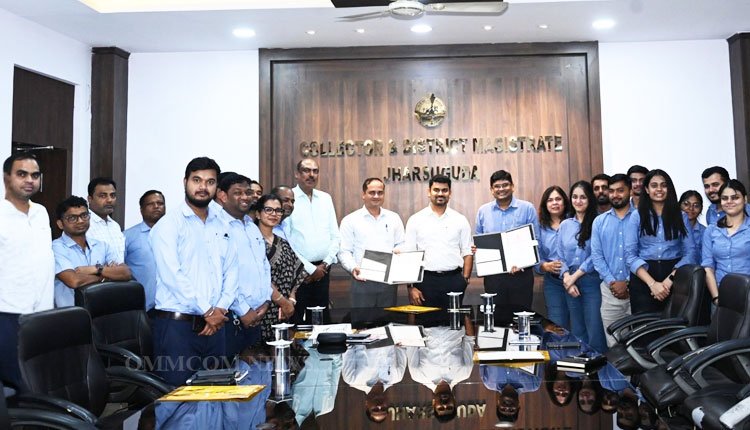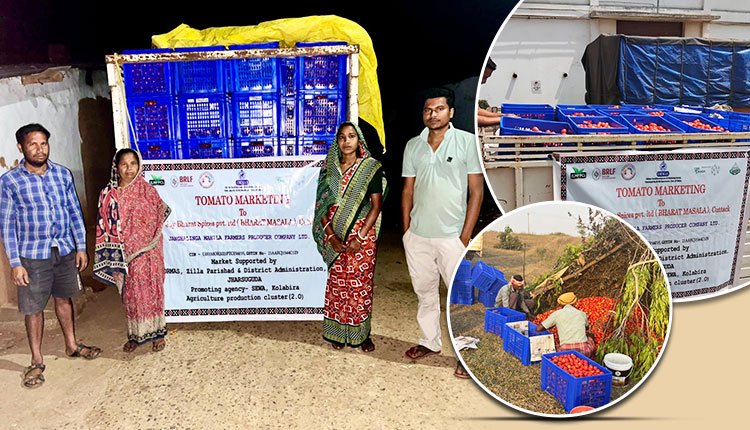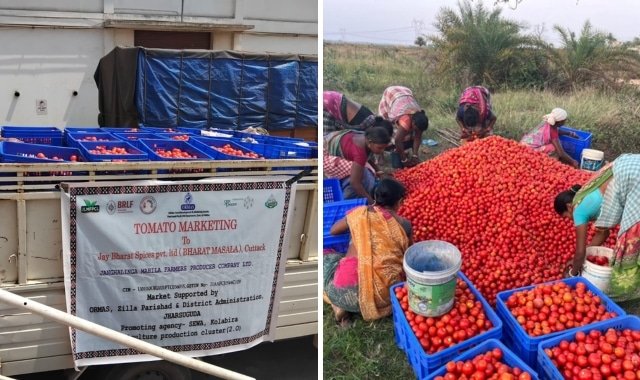
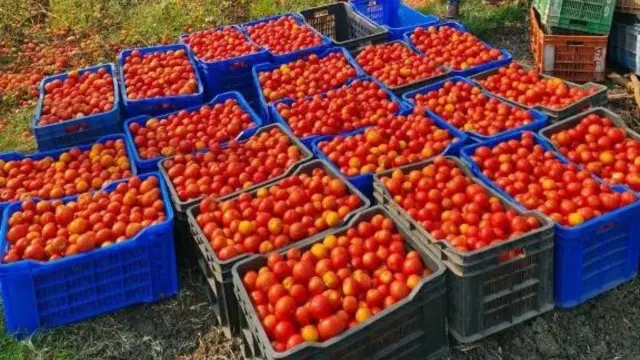
The Odisha Rural Development and Marketing Society (ORMAS), part of the Panchayati Raj & Drinking Water Department, recently secured 128.3 metric tonnes of tomatoes from five districts in Odisha. This went beyond a typical transaction — it was a targeted move to connect rural farmers directly with industrial buyers. Most of the tomatoes came from Cuttack (53 MT), Ganjam (33.8 MT), Angul (20 MT), Jharsuguda (18 MT), and Jagatsinghpur (3.5 MT).
To pull this off, ORMAS tapped into the network of Women Self-Help Groups (WSHGs) and Farmer Producer Organizations (FPOs). They set up collection points through these groups, making it easier to move tomatoes to the market quickly. Every bit of the 128.3 tonnes went straight to Bharat Masala, a major food processor, where it’ll be turned into things like sauces and purees — instead of rotting away unused.
The main idea? Give farmers a guaranteed market and some price security. With a direct path between farmers and the processing company, the government’s cutting out middlemen who often eat into farmers’ profits. Officials say this move gives farmers quick cash relief, but it also builds up the FPOs and SHGs that keep Odisha’s agricultural supply chains running.
Recently, stories emerged about farmers in some Odisha villages who had to sell tomatoes for as little as ₹2-₹3 per kilo — or worse, just dump them, because transporting the produce to market was costlier than the low selling price. ORMAS stepped in, offering better prices to stop these desperate sales.
Really, these troubles boil down to a classic supply chain problem. Every harvest season, the market is flooded with fresh produce. There’s no cold storage, and not enough big buyers, so prices just crash. Plus, small farmers can’t really store tomatoes — they perish quickly. By building a direct pipeline to a company like Bharat Masala, the government turns what could have been waste into industrial raw material, creating some balance in the system.
With ORMAS on the scene, paying a fair price, local traders have to keep up and increase their prices, as well. That kind of intervention sets a price floor and brings much-needed stability for farmers.