Bhubaneswar: The Union Cabinet’s recent policy decisions, which include increased Minimum Support Prices (MSP) for Kharif crops and substantial investments in coal gasification and infrastructure modernization, are set to have significant implications for Odisha, a state whose economy is heavily reliant on agriculture, mining, and heavy industry.
For Odisha, these announcements are more than just standard policy measures; they closely align with the state’s developmental goals and resource capabilities. From the agricultural regions of western Odisha to the mineral-rich areas of Angul, Jharsuguda, and Sundargarh, these decisions could greatly affect rural livelihoods, industrial growth, and long-term economic transformation.
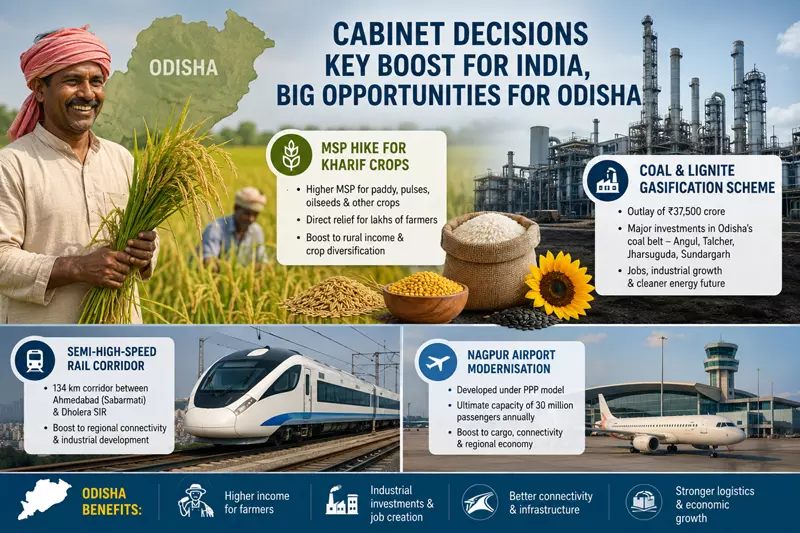
Among the Cabinet decisions made on May 13, the increase in MSP for Kharif crops is expected to have the most immediate effect on Odisha’s rural economy. Agriculture employs a large portion of the state’s population, especially in districts like Bargarh, Kalahandi, Balangir, and Nuapada, where paddy cultivation is the main source of income.
The rise in MSP for Grade-A paddy to Rs 2,461 per quintal is likely to provide essential financial support to farmers facing rising input costs, unpredictable weather, and fluctuating market conditions. Higher procurement prices could enhance farm incomes and increase purchasing power in rural areas, thereby stimulating broader economic activity.
The Centre’s renewed focus on oilseeds and pulses also holds strategic importance for Odisha. Many areas of the state, particularly rain-fed and drought-prone regions, have strong potential for crop diversification. Expanding the cultivation of sunflower, sesame, and pulses could gradually lessen the over-reliance on paddy farming while improving soil sustainability and income resilience.
However, economists warn that the success of the MSP policy will largely depend on effective implementation at the grassroots level. Ongoing issues such as delayed procurement, inadequate mandi infrastructure, and the influence of intermediaries continue to impact farmers throughout Odisha. Without more transparent and efficient procurement systems, the full benefits of the MSP increase may not reach the cultivators.
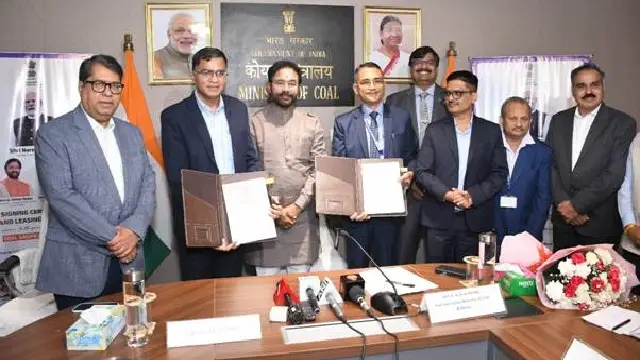
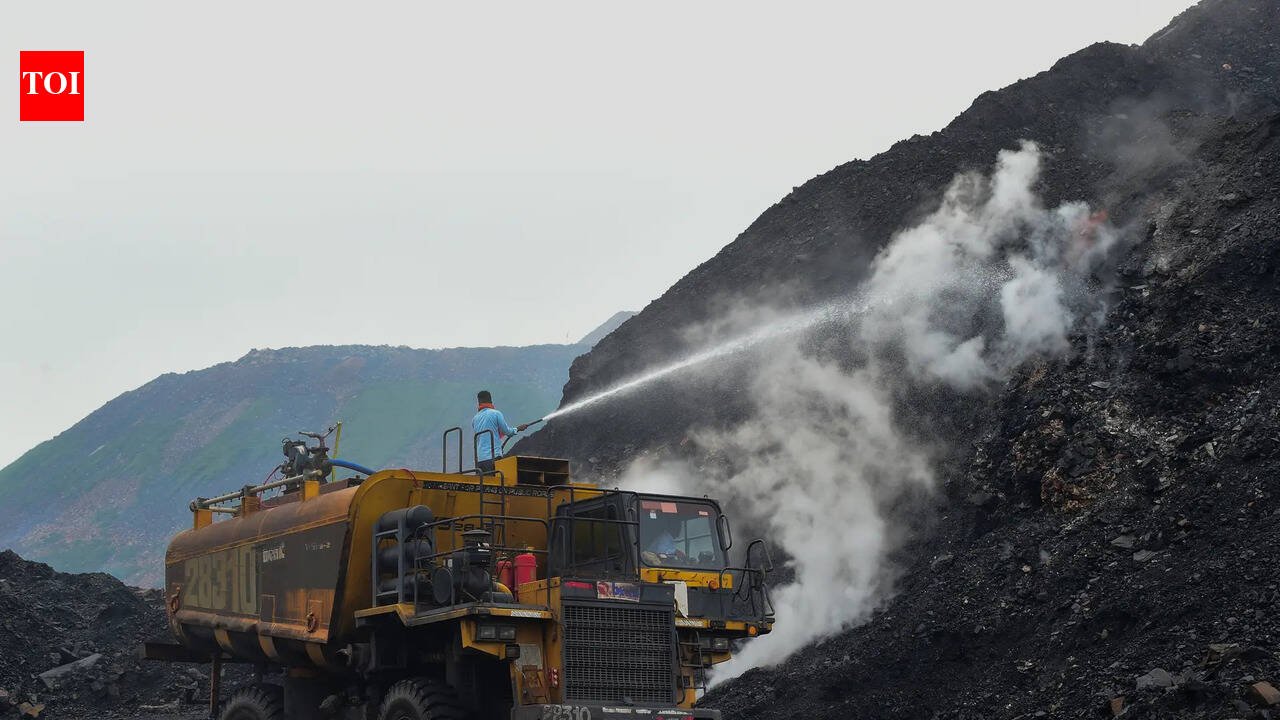
Equally important is the Cabinet’s approval of the Rs 37,500-crore coal and lignite gasification initiative, a policy that could significantly alter Odisha’s industrial landscape. As one of India’s top coal-producing states, Odisha is well-positioned to attract major investments related to gasification-based industries and downstream manufacturing.
“The policy could be particularly transformative for Talcher, which already plays a crucial role in India’s energy ecosystem due to its vast coal reserves and fertilizer infrastructure. With renewed policy support, Talcher has the potential to become a major hub for energy, petrochemicals, and advanced manufacturing. Such expansion could create large-scale employment opportunities across sectors including engineering, logistics, chemicals, and ancillary industries,” stated Dr. Pravas Mishra, an economist.
The Centre has positioned coal gasification as a cleaner and more efficient alternative to traditional coal use, aligning it with India’s broader energy transition strategy. While environmental concerns regarding continued coal dependency are likely to remain, the policy reflects the government’s effort to balance industrial growth with evolving sustainability goals and energy security needs.
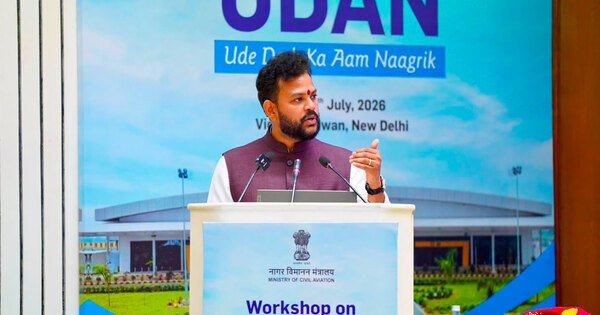
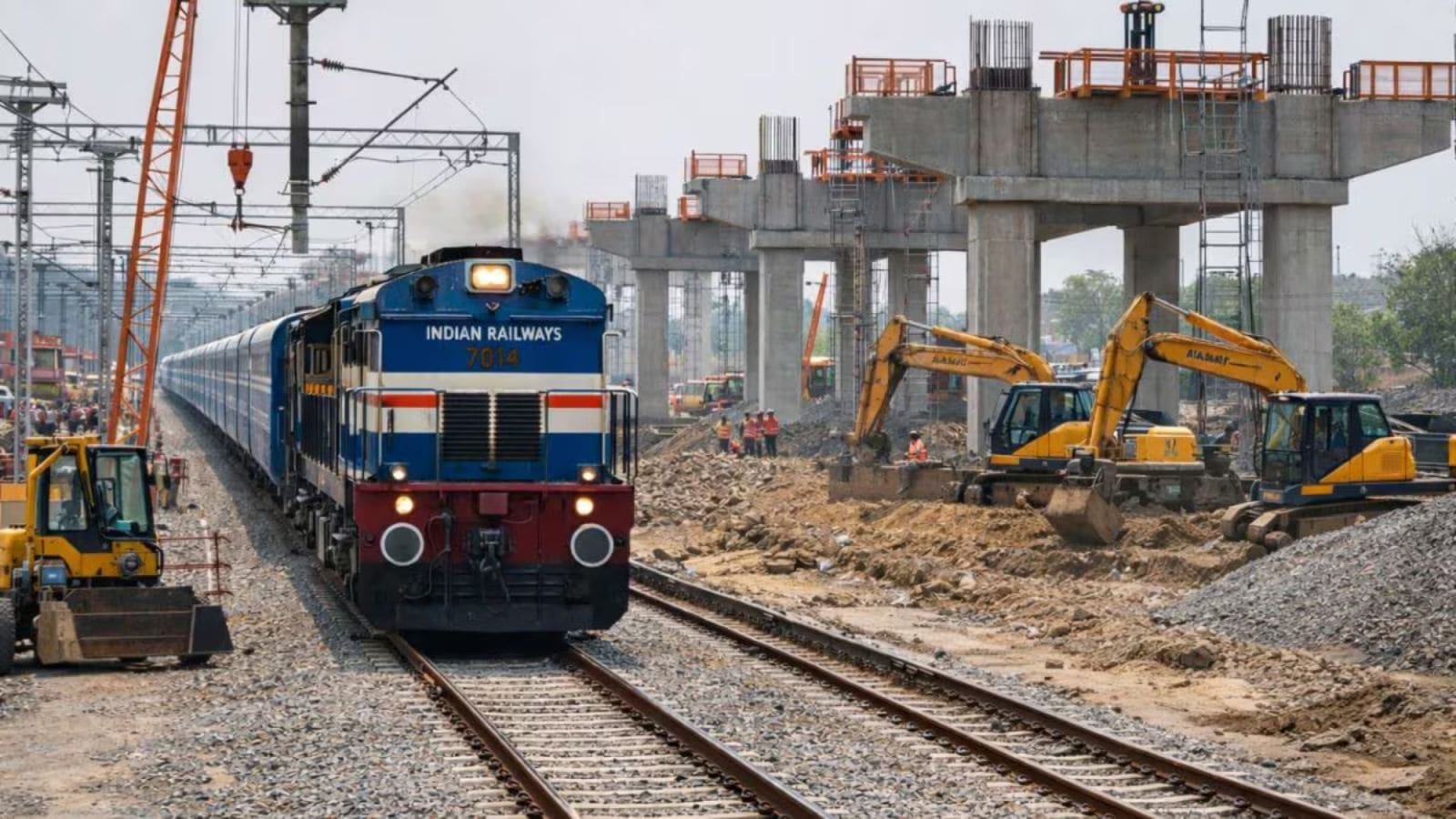
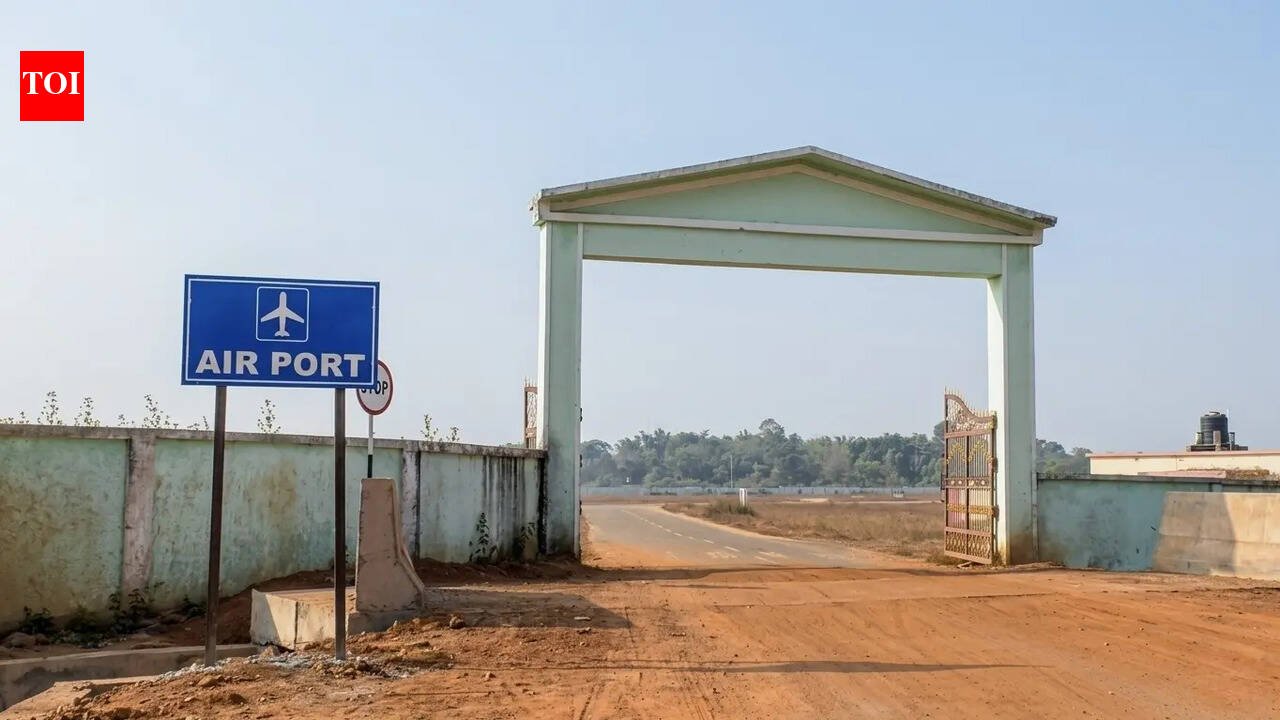
Although the Cabinet approvals related to India’s first semi-high-speed regional rail corridor and airport modernization are focused outside Odisha, they highlight a national initiative toward integrated infrastructure and logistics expansion. For Odisha, with its rapidly developing ports, industrial corridors, and manufacturing base, these developments emphasize the necessity for improved rail connectivity, cargo infrastructure, and aviation enhancements in the near future.
Overall, the Cabinet decisions represent a broader economic strategy aimed at strengthening rural incomes, accelerating industrialization, enhancing energy security, and modernizing infrastructure. For Odisha, these announcements present a vital opportunity to solidify its status as one of eastern India’s emerging growth centers.
“If implemented effectively and supported by robust state-level execution, these policy measures could significantly speed up Odisha’s progress toward becoming a major agricultural and industrial powerhouse in the country,” remarked Dr. P K Dhal, a development activist.