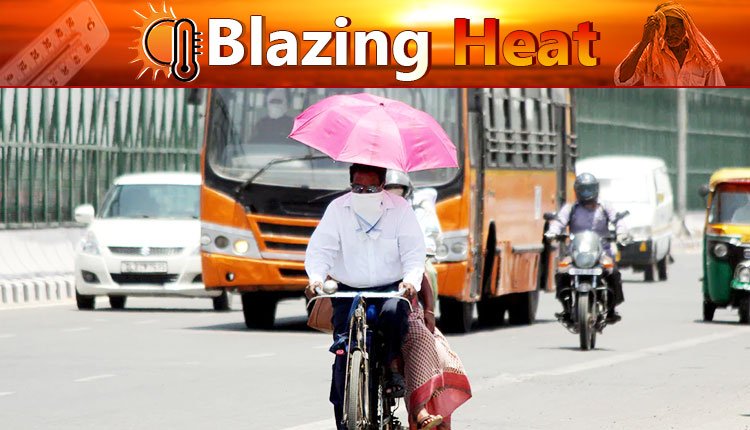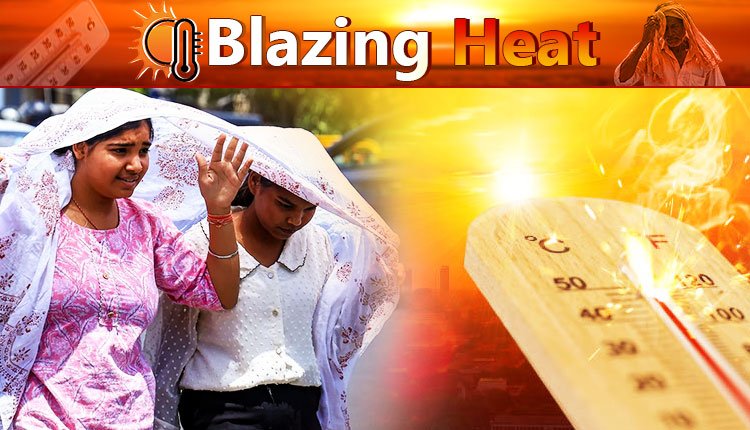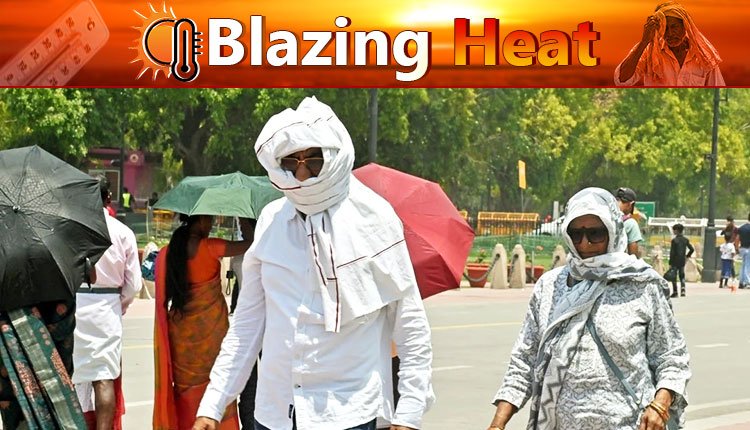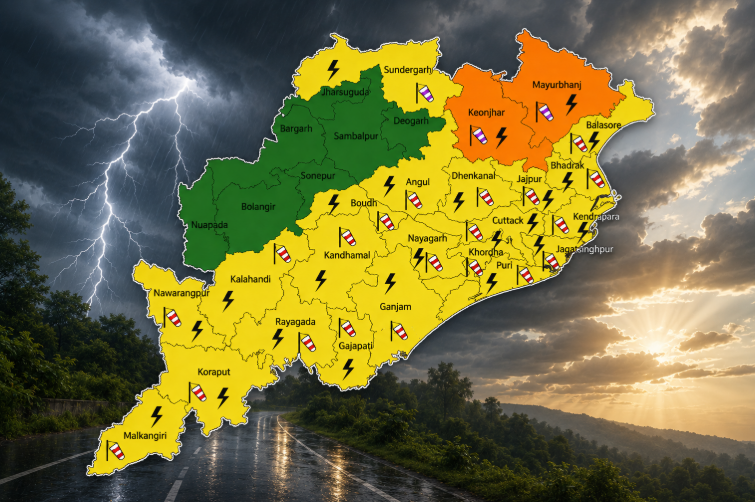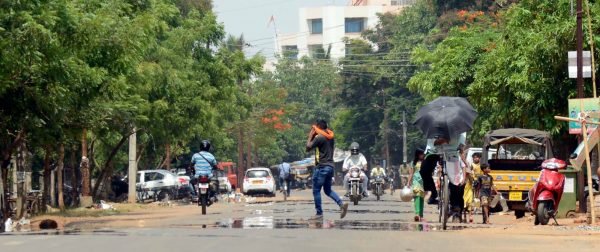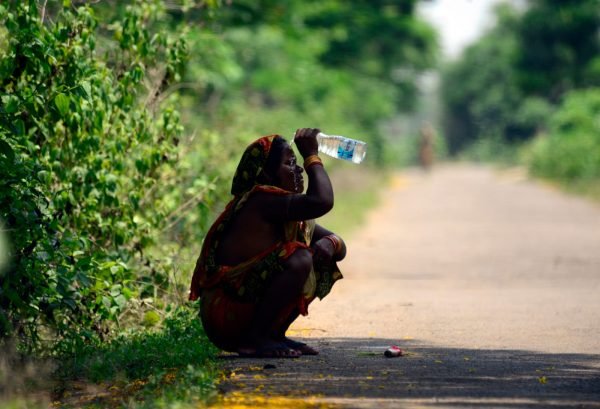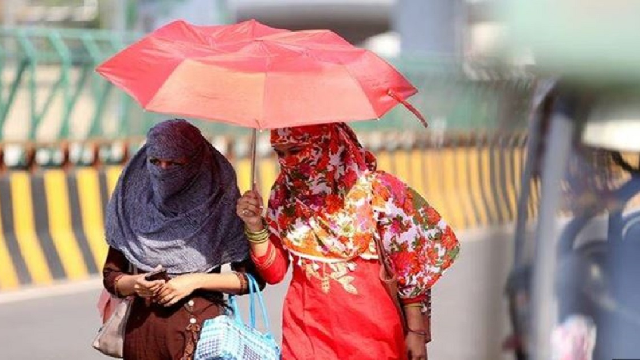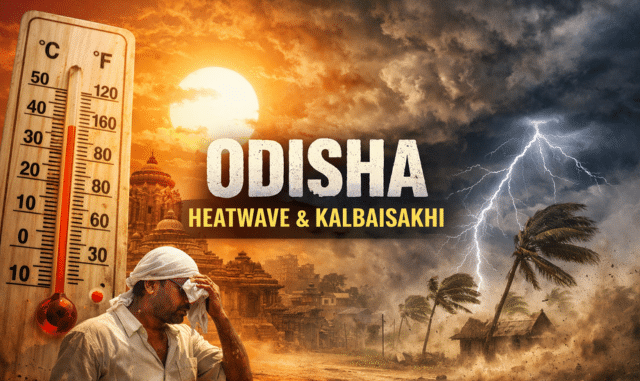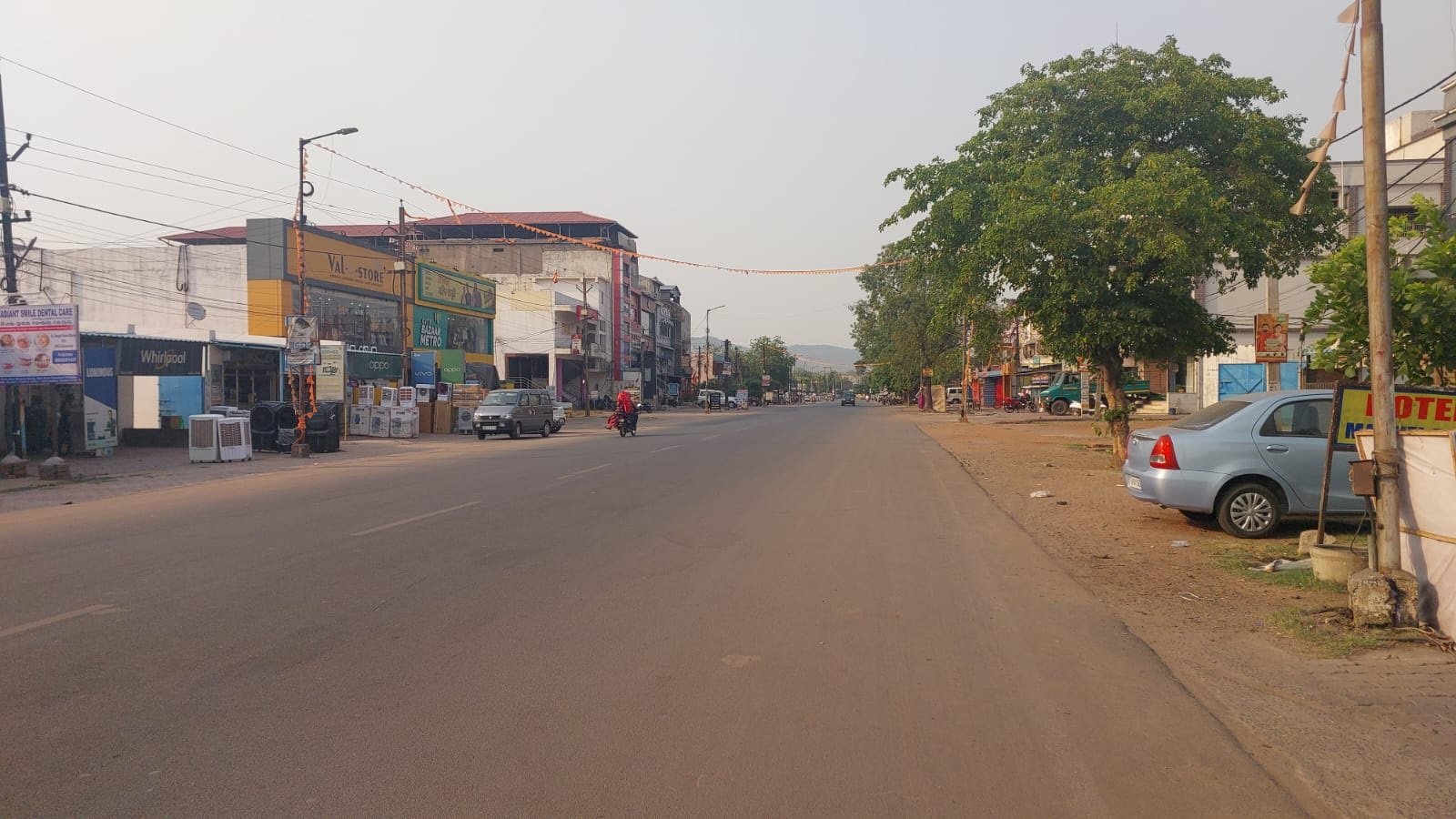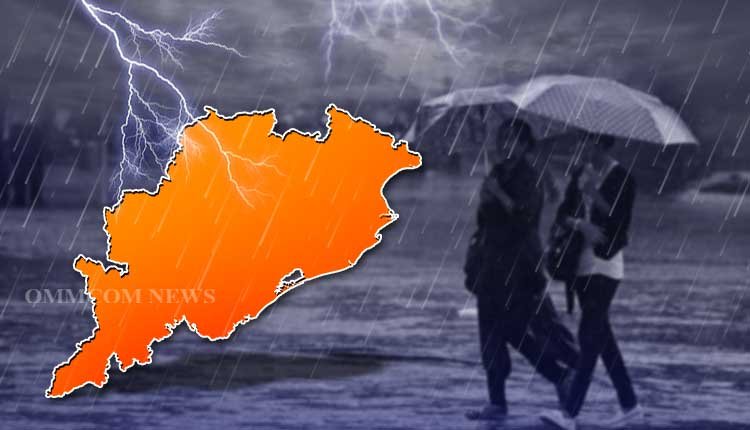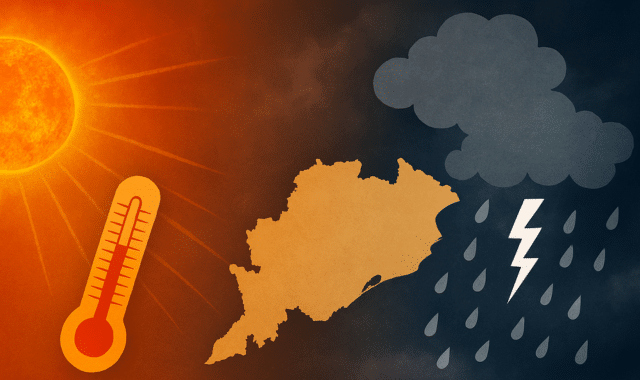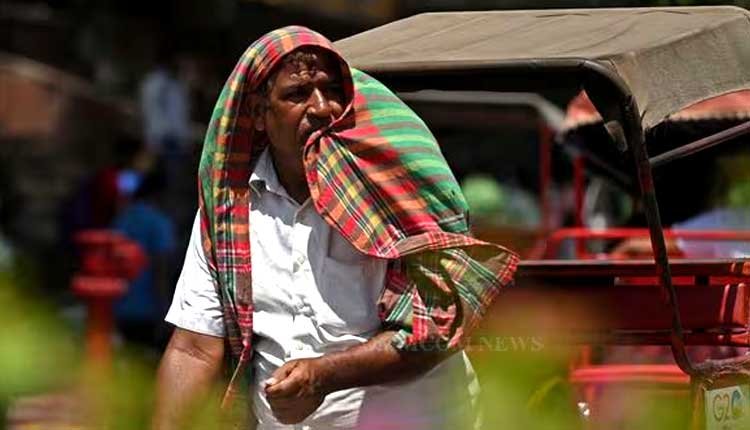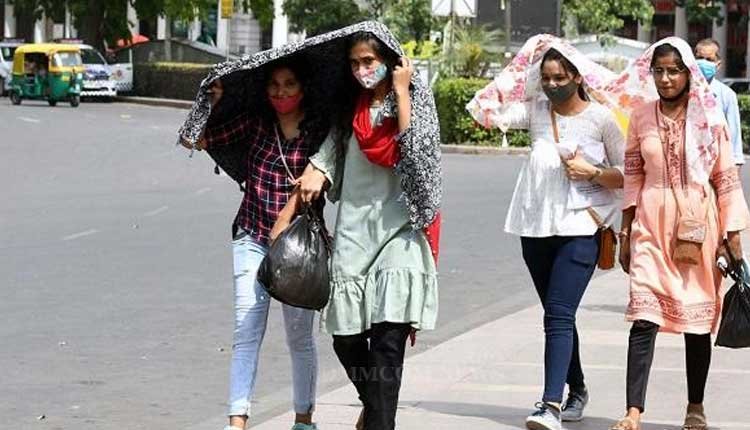
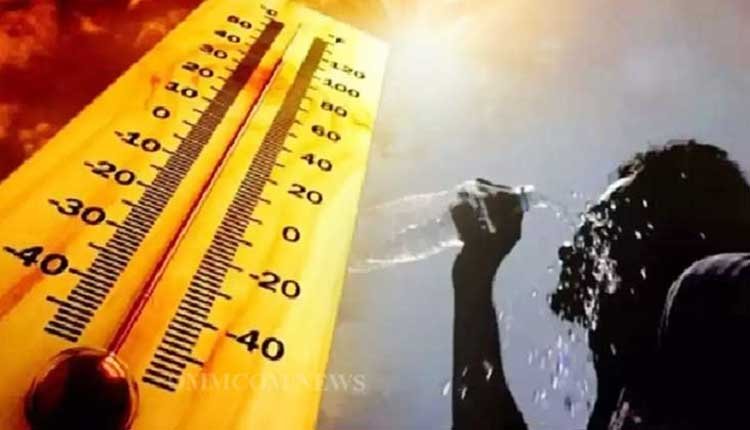
Bhubaneswar: Hot and humid conditions are expected to affect various regions of Odisha from April 11 to 16, with heat wave conditions anticipated on April 13 and 14. In response, the Special Relief Commissioner (SRC) has instructed all district Collectors to implement immediate precautionary measures and disseminate the yellow warning issued by the India Meteorological Department (IMD) to the public.
In a correspondence directed to all Collectors, which also reached Principal Secretaries of several departments such as Revenue & Disaster Management, Agriculture, Water Resources, Housing & Urban Development, Energy, Panchayati Raj, Fisheries, Health, Education, Labour, among others, as well as Regional Directors, OSDMA, and the Director of Municipal Administration, the SRC has mandated close monitoring of the situation.
According to an IMD special bulletin released on April 10, 2026, maximum temperatures have already risen by approximately 3°C in certain areas of north coastal Odisha, while no significant changes have been noted elsewhere. The highest temperature recorded yesterday was 38.9°C in Boudh, while the lowest was 18.5°C in Jharsuguda.
IMD Yellow Warning Details:
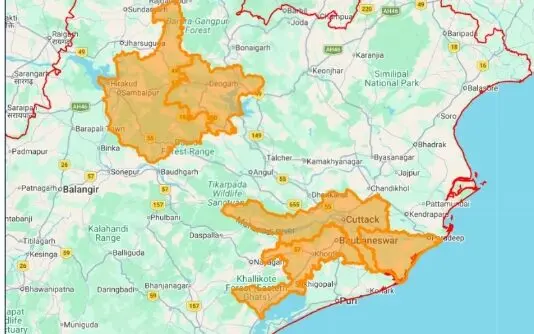
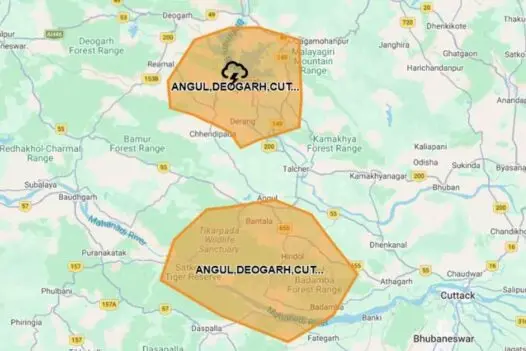
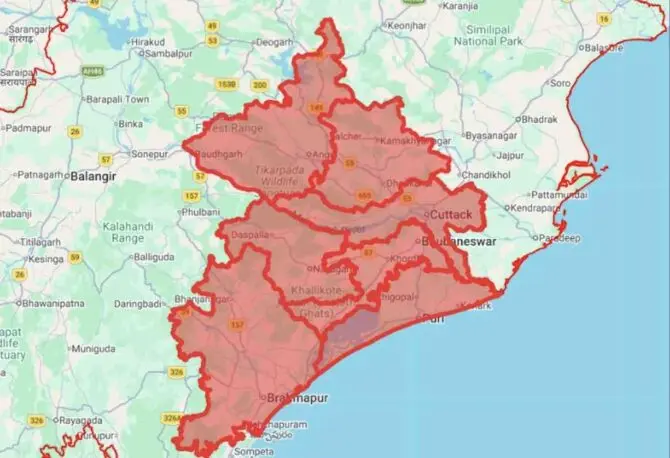
- April 11 and 12 (Day-2 & Day-3): Hot and humid conditions likely in one or two locations across Balasore, Bhadrak, Kendrapara, Jagatsinghpur, Cuttack, Jajpur, Puri, Khurdha, Nayagarh, Gajapati, and Ganjam districts.
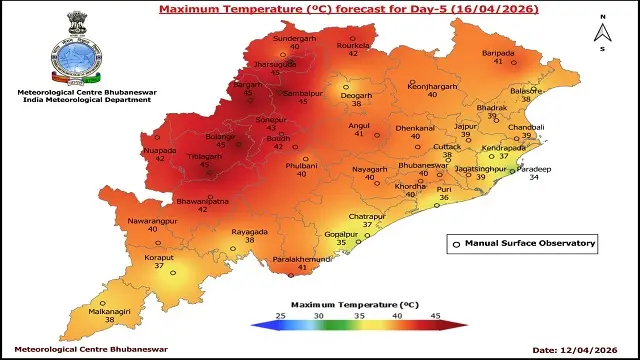
- April 13 and 14 (Day-4 & Day-5): Heat wave conditions likely in one or two areas of Balangir, Bargarh, and Sambalpur districts, with hot and humid conditions expected in coastal and southern districts.
- April 15 and 16 (Day-6 & Day-7): Continued hot and humid conditions anticipated in the same coastal and southern districts.
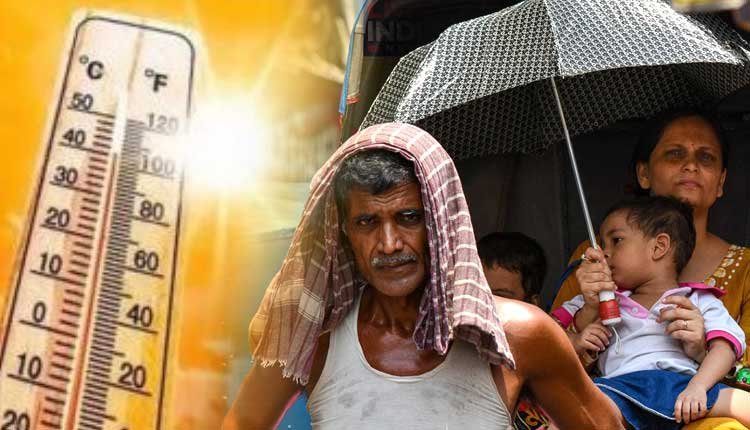
The SRC has urged Collectors to ensure the yellow warning message is widely circulated. While the heat is generally manageable for the public, it may pose health risks for vulnerable groups such as infants, the elderly, pregnant women, and those with health issues.
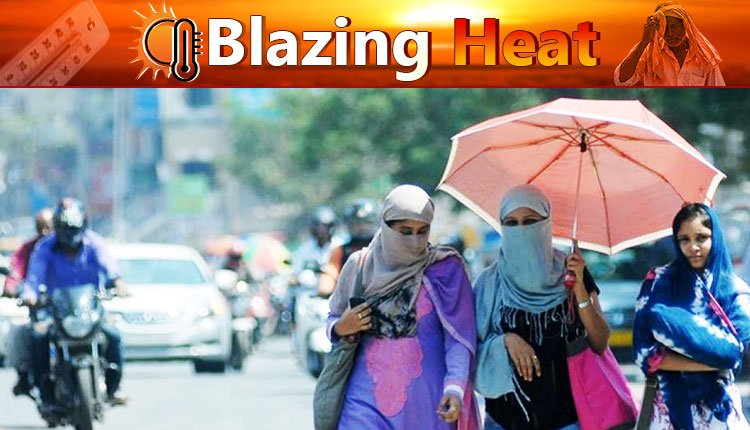
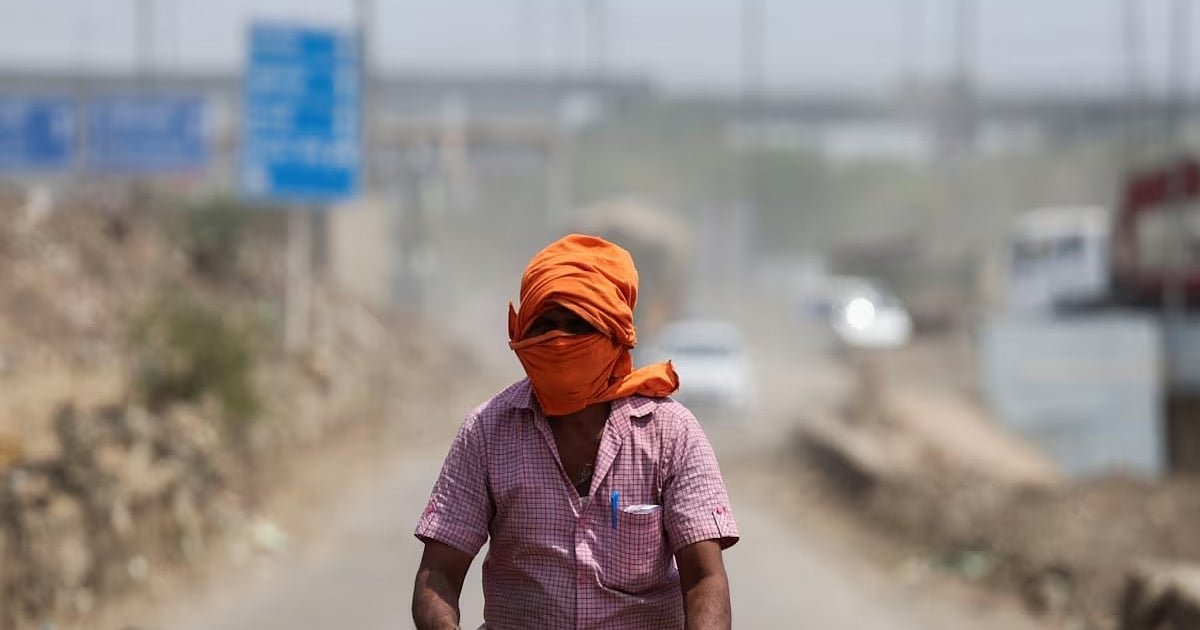
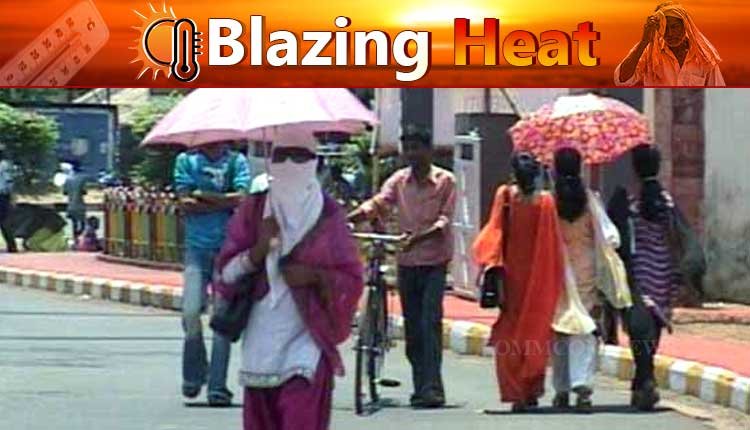
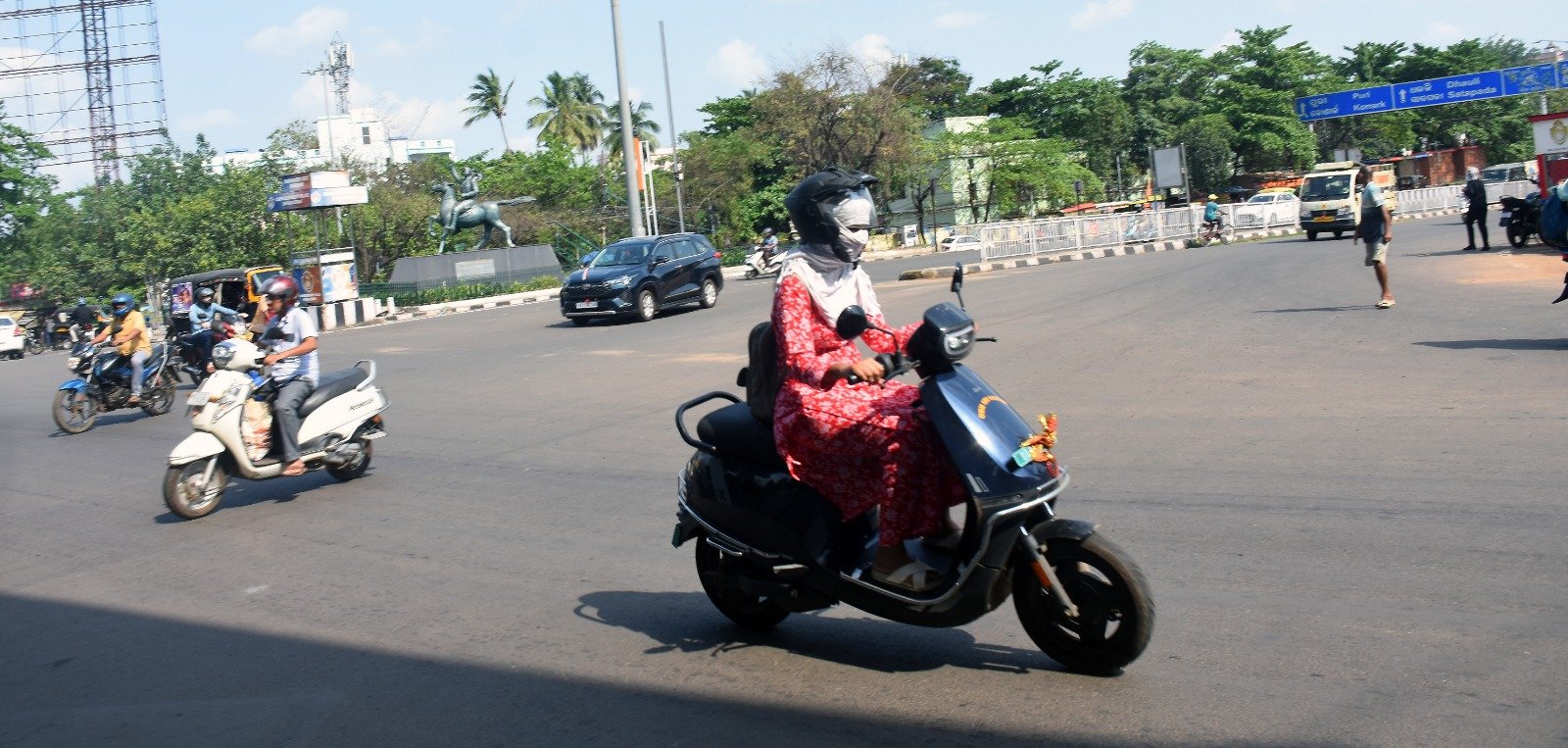
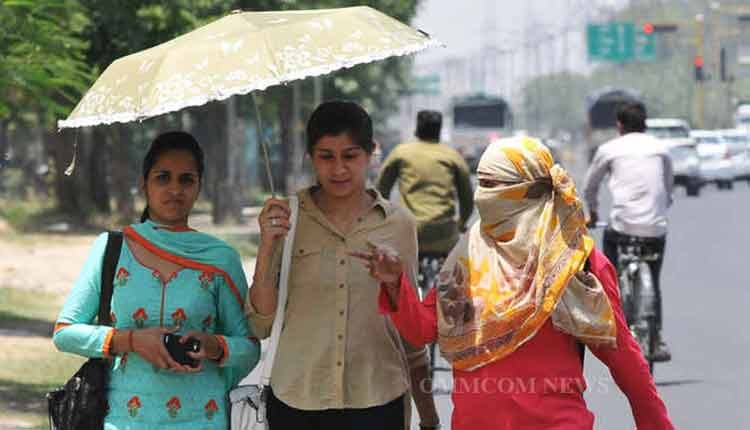
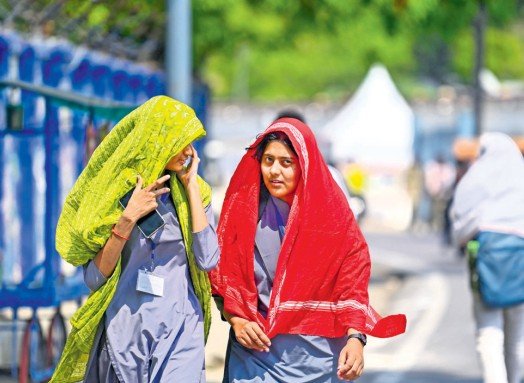
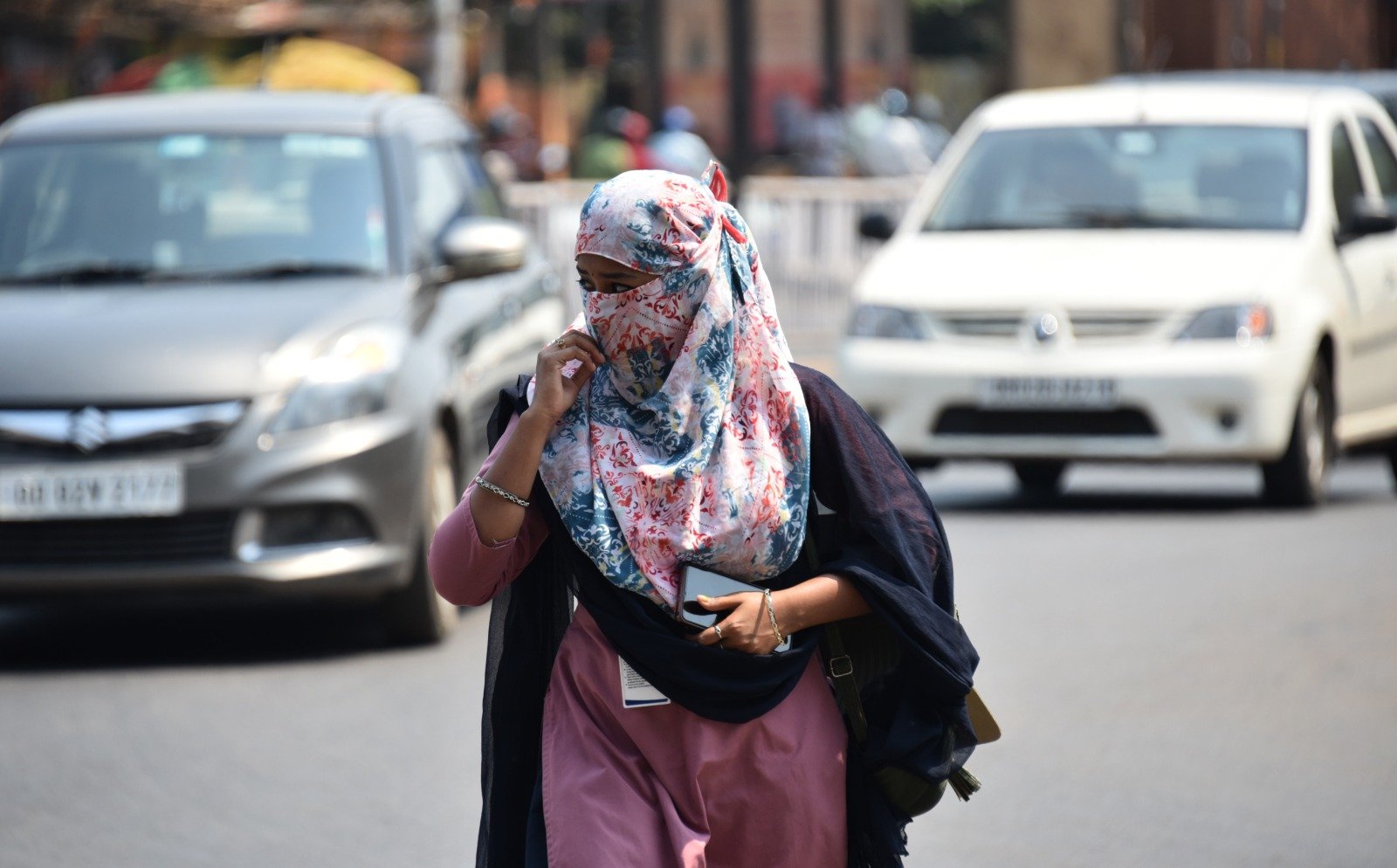
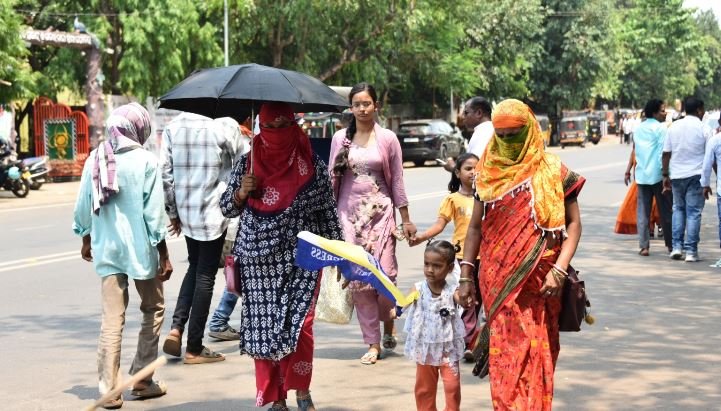
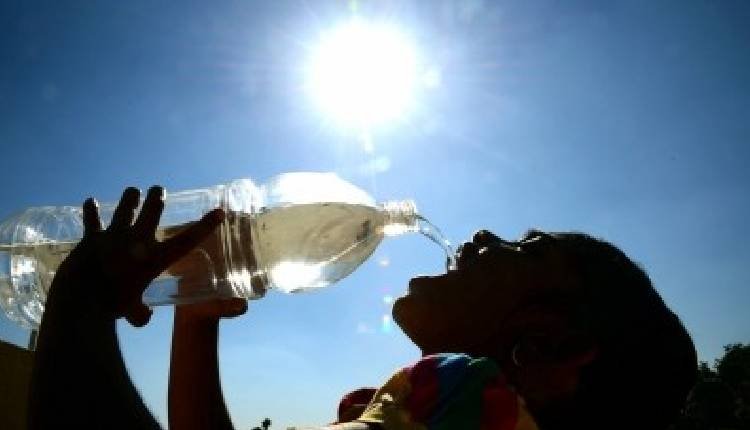
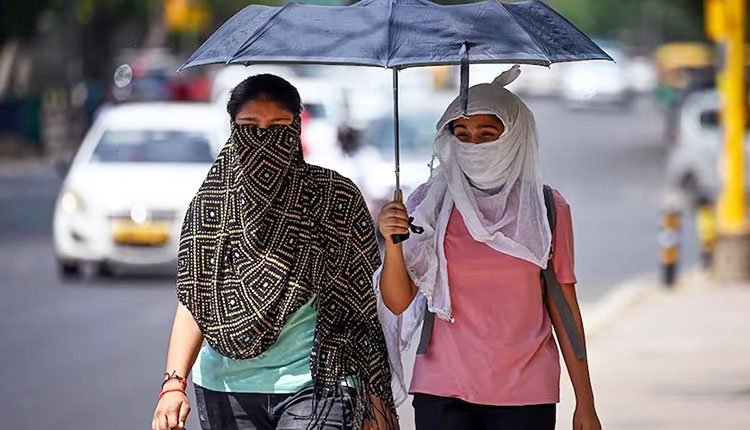
Residents are advised to take precautions when outdoors during peak hours (approximately 11:00 AM to 3:00 PM). Recommendations include avoiding prolonged sun exposure, wearing light-colored, loose cotton clothing, covering heads with hats, umbrellas, or wet cloths, and staying hydrated with water, even if not thirsty. Consuming ORS, lassi, torani, sugarcane juice, lemon water, and buttermilk is suggested to prevent dehydration.
Other important recommendations include avoiding alcohol, tea, coffee, carbonated beverages, and high-protein or stale foods. Outdoor work should be scheduled for cooler times of the day, with frequent breaks. Special attention is needed for workers, particularly pregnant women and those with medical conditions. Immediate medical assistance should be sought for symptoms such as dizziness, headache, nausea, weakness, or seizures.
Farmers are advised to continue irrigation for sugarcane, summer maize, pulses, and vegetables. Livestock should be sheltered in cool, shaded areas with ample drinking water. Children and pets must not be left in parked vehicles. Election rallies and public gatherings during peak hours should be closely monitored, with participants reminded to take necessary precautions.
The SRC has stressed the importance of closely monitoring the situation and taking appropriate actions as needed. All relevant departments have been instructed to remain vigilant and ensure public safety during this period of increasing temperatures.